
Contents
Overview
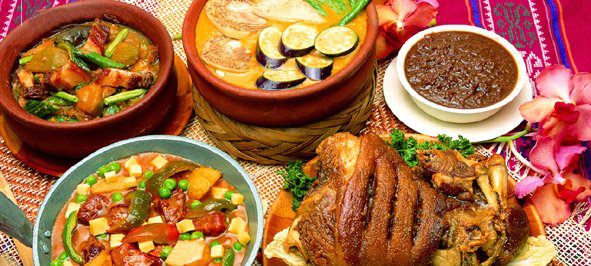
The culinary landscape of the Philippines is a testament to its strategic location and complex history. Its foundation lies in the indigenous Austronesian diet, characterized by rice, root crops, and a variety of seafood and meats. Over centuries, this base was enriched by waves of external influences. Early Chinese traders introduced soy sauce, tofu, and stir-frying techniques, evident in dishes like pancit noodles. The Spanish colonial period brought European staples such as pork, beef, chicken, and cooking methods like stewing and baking, leading to iconic dishes like lechon (roasted pig), adobo, and arroz caldo. American influence introduced processed foods and fast-food culture, though its impact is arguably less profound on traditional home cooking than earlier influences. Each of the Philippines' ethnolinguistic groups, from the Ilocanos in the north to the Visayans in the central islands and the Mindanaoan communities in the south, has cultivated distinct culinary traditions, adapting these influences with local ingredients and preferences.
⚙️ How It Works
Filipino cooking is often characterized by its balance of contrasting flavors: sour, salty, sweet, and sometimes bitter. The core cooking techniques include braising (as in adobo), stewing, grilling, and frying. A fundamental element is the use of aromatics like garlic, onions, and ginger, forming the base for many dishes. Fermented products play a crucial role; patis (fish sauce) and bagoong (fermented shrimp or fish paste) are ubiquitous condiments that provide a deep umami flavor. Sourness is achieved through ingredients like calamansi (a small citrus fruit), vinegar, tamarind, and guava. Rice, typically steamed, is the staple carbohydrate, served with almost every meal. Many dishes are prepared communally, especially during fiestas and holidays, highlighting the social importance of food in Filipino culture. The preparation of dishes like sinigang, a sour soup, can vary widely by region, showcasing the adaptability of Filipino cuisine.
📊 Key Facts & Numbers
The global market for Filipino food products is substantial. The ube, a purple yam, has seen a surge in popularity, with social media trends driving its demand.
👥 Key People & Organizations
While no single chef can claim to represent all of Filipino cuisine, several figures have been instrumental in its global recognition. The influence of diaspora communities, particularly in the United States and Canada, has also led to the establishment of thousands of Filipino restaurants, spearheaded by entrepreneurs and chefs who adapt traditional flavors for international palates.
🌍 Cultural Impact & Influence
Filipino food has a profound cultural impact, serving as a powerful symbol of national identity and heritage. It is deeply intertwined with family life, celebrations, and social gatherings, often acting as a bridge between generations and a connection to homeland for the diaspora. The global rise of Filipino dishes like adobo, sinigang, and lumpia has fostered greater appreciation for Southeast Asian cuisines. The internet, particularly platforms like TikTok and Instagram, has played a significant role in popularizing specific ingredients like ube and dishes such as sisig, creating viral trends and introducing Filipino flavors to a wider audience. This increased visibility has not only boosted tourism but also inspired a new generation of chefs and home cooks to explore and innovate within the cuisine. The shared experience of eating kamayan (eating with hands) further solidifies its unique cultural footprint, emphasizing community and connection.
⚡ Current State & Latest Developments
The current state of Filipino food is one of dynamic evolution and increasing global recognition. Chefs are increasingly experimenting with modern techniques and plating, elevating classic recipes like kare-kare and La Paz Batchoy for fine-dining experiences. The popularity of ingredients like ube continues to drive innovation in desserts and beverages. Simultaneously, there's a growing movement to preserve and promote the culinary heritage of the Philippines' diverse regions, moving beyond the commonly known dishes to highlight the unique flavors of Mindanao and the Visayas. Online communities and food bloggers are actively sharing recipes and restaurant reviews, fueling this culinary renaissance. The Philippine Department of Tourism has also intensified its focus on culinary tourism, organizing food festivals and tours to showcase the archipelago's gastronomic diversity.
🤔 Controversies & Debates
One of the primary debates surrounding Filipino food centers on authenticity and regional representation. While dishes like adobo and lechon are widely recognized, there's a contention that these often overshadow the vast culinary diversity of the Philippines' over 100 ethnolinguistic groups. Critics argue that a narrow focus on Tagalog-centric dishes, often promoted by mainstream media and tourism efforts, fails to capture the true breadth of Filipino cuisine. Another point of contention is the ongoing discussion about the 'national dish'—while adobo is frequently cited, many argue that no single dish can represent the entire nation. Furthermore, the influence of foreign cuisines, particularly Spanish and Chinese, is sometimes debated; some purists advocate for a return to more indigenous ingredients and methods, while others embrace the hybridity as a defining characteristic of Filipino food. The commercialization of traditional dishes also raises questions about maintaining cultural integrity versus adapting for broader market appeal.
🔮 Future Outlook & Predictions
The future of Filipino food looks exceptionally bright, poised for continued global expansion and deeper regional exploration. We can anticipate a greater emphasis on hyper-regional cuisines, with more attention paid to the unique flavors and ingredients of areas like Mindanao and the Bicol region, moving beyond the typical Luzon-centric dishes. Expect to see more Filipino chefs opening restaurants in international culinary capitals, further solidifying its place on the global gastronomic map. Innovations in sustainable sourcing and plant-based Filipino cuisine are also likely to grow, aligning with global
Key Facts
- Category
- culture
- Type
- topic