
Contents
Overview
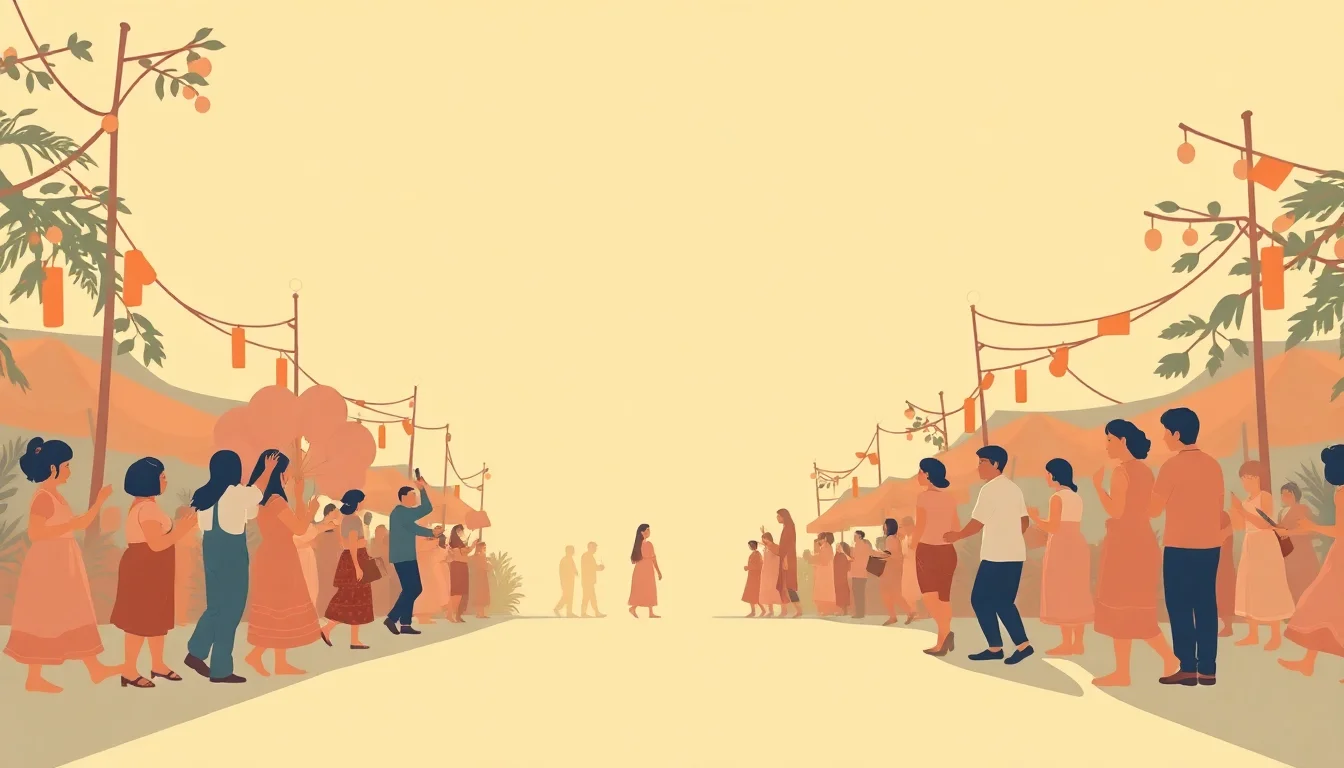
Filipino festivals are known locally as 'pista' or 'kapistahan.' Their genesis is inextricably linked to the Spanish colonial period, particularly the introduction of Christianity. Each barrio and town was often placed under the patronage of a specific saint, and celebrations were strategically aligned with Christian holy days. Historians suggest these patronal festivals served a dual purpose: to propagate Christian faith and practices while simultaneously incorporating and legitimizing existing pre-colonial communal gatherings and rituals. This syncretism is a hallmark of Filipino culture, where ancient animist beliefs and indigenous customs often melded seamlessly with Catholic observances, creating unique traditions like the Ati-Atihan Festival in Kalibo, Aklan, which honors the Santo Niño while commemorating the indigenous Ati people. Beyond Christian roots, significant festivals also stem from Islamic traditions, such as the Sharif Imran ibn Ali Mosque celebrations in the Bangsamoro Autonomous Region, and indigenous harvest rituals that predate any colonial influence.
⚙️ How It Works
Filipino festivals are dynamic, multi-sensory experiences that typically revolve around a central theme, most commonly a patron saint's feast day or a significant historical commemoration. The planning and execution often involve local government units, religious organizations like the Catholic Church, and community-led committees. Key activities frequently include solemn Catholic Mass and processions, vibrant parades featuring indigenous dances and elaborate floats, cultural presentations, musical performances by local artists, and competitive events ranging from beauty pageants like Mutya ng Pilipinas to traditional games. A crucial element is the communal feast, where families and neighbors share abundant food, embodying the Filipino spirit of 'bayanihan' (communal unity). The organization of these events, especially larger ones like the Sinulog Festival in Cebu, requires meticulous coordination, often involving sponsorships from local businesses and national tourism bodies like the Department of Tourism.
📊 Key Facts & Numbers
The Philippines hosts numerous festivals annually, making it a nation that truly lives by the rhythm of its 'fiestas.' The economic impact is substantial, with major festivals like Panagbenga Festival in Baguio City attracting hundreds of thousands of tourists and generating millions of pesos in revenue for local economies. The Department of Tourism actively promotes many of them as key attractions. The sheer scale and frequency underscore the deep cultural significance and economic vitality these celebrations bring to communities across the archipelago.
👥 Key People & Organizations
While no single individual can be credited with founding all Filipino festivals, key figures and organizations are instrumental in their preservation and promotion. Religious orders, particularly the Catholic Church, have historically played a pivotal role in establishing and maintaining patron saint festivals. Local government units, from barangay captains to mayors, are crucial in organizing and funding these events. Cultural organizations and heritage advocates, such as the National Commission for Culture and the Arts (NCCA), work to document, preserve, and promote intangible cultural heritage, including traditional festivals. Prominent figures in tourism and cultural promotion, like former Secretary of Tourism Fidel V. Ramos, have championed festivals as vital for national identity and economic development. The influence of local artisans, performers, and community elders is also paramount in ensuring the authenticity and continuity of these traditions.
🌍 Cultural Impact & Influence
Filipino festivals are powerful vehicles for cultural transmission, shaping national identity and influencing various aspects of Filipino life. They serve as living museums, showcasing traditional music, dance, crafts, and culinary arts to both locals and international visitors. The vibrant imagery and energetic performances from festivals like Dinagyang Festival in Iloilo have been widely disseminated through media, influencing visual arts, fashion, and even global perceptions of Filipino culture. Furthermore, these celebrations reinforce social cohesion, strengthening community bonds through shared experiences and collective participation, embodying the spirit of 'bayanihan.' The economic impact, driven by tourism and local commerce, also positions festivals as significant contributors to regional development, as seen with the economic boom during the MassKara Festival in Bacolod.
⚡ Current State & Latest Developments
In the contemporary landscape, Filipino festivals are navigating a complex interplay between tradition and modernity. While many continue to adhere to age-old customs, there's a growing trend towards incorporating modern entertainment elements, technological advancements in staging and sound, and a heightened focus on sustainable tourism practices. The COVID-19 pandemic significantly impacted festival calendars, leading to cancellations or virtual adaptations, prompting organizers to explore digital platforms for engagement. Post-pandemic, there's a renewed emphasis on reviving these cultural touchstones, with many local governments and tourism boards prioritizing festival support to boost local economies and cultural pride. The challenge remains in balancing commercialization with cultural integrity, ensuring that festivals remain authentic expressions of Filipino heritage rather than mere tourist spectacles.
🤔 Controversies & Debates
The commercialization of festivals presents a significant point of contention. Critics argue that the increasing focus on tourism revenue and corporate sponsorship can dilute the original religious or cultural significance of celebrations, turning sacred events into mere entertainment. The pressure to 'perform' for tourists can lead to the commodification of traditions, potentially altering or simplifying them for broader appeal. Another debate centers on inclusivity; while many festivals are rooted in specific local or religious traditions, ensuring they resonate with and are accessible to all Filipinos, regardless of background or belief, remains an ongoing discussion. The environmental impact of large gatherings, particularly concerning waste management and resource consumption, is also an emerging concern for organizers and attendees alike.
🔮 Future Outlook & Predictions
The future of Filipino festivals appears to be one of dynamic evolution, balancing the preservation of heritage with the demands of a globalized, digital world. We can anticipate a continued integration of technology, with augmented reality experiences and sophisticated digital marketing playing larger roles in promoting and enhancing festival attendance. There's also a growing movement towards celebrating more diverse cultural expressions, including those from indigenous groups and minority religions, potentially leading to the emergence of new, significant festivals. The focus on sustainable and responsible tourism will likely intensify, pushing organizers to adopt eco-friendly practices. Furthermore, as the Filipino diaspora continues to grow, there's potential for increased international 'fiestas' that celebrate Filipino culture abroad, further globalizing these vibrant traditions.
💡 Practical Applications
Filipino festivals serve as powerful platforms for cultural diplomacy, economic development, and community building. For local governments and tourism agencies, they are key marketing tools to attract domestic and international visitors, boosting local economies through hospitality, food, and souvenir sales. For communities, they reinforce social bonds, provide a sense of shared identity, and offer opportunities for collective celebration and remembrance. For artisans and performers, festivals are vital venues to showcase their talents, sell their crafts, and connect with audiences, contributing to the preservation and evolution of traditional Filipino arts. The Department of Tourism actively promotes many festivals as key attractions, recognizing their significant contribution to the nation's cultural landscape and economy.
Key Facts
- Category
- culture
- Type
- topic