
Contents
- ⛰️ The Geological Enigma of Bohol
- 🍫 More Than Just Chocolate: The Vibe of the Hills
- 📜 Legends and Lore: The Human Element
- 🔬 Scientific Scrutiny: Theories on Formation
- 💡 Vibe Score: Measuring the Hills' Cultural Energy
- 🌍 Conservation Crossroads: Protecting a Natural Wonder
- ✈️ Experiencing the Hills: A Traveler's Perspective
- 🤔 The Future of the Chocolate Hills: What's Next?
- Frequently Asked Questions
- Related Topics
Overview
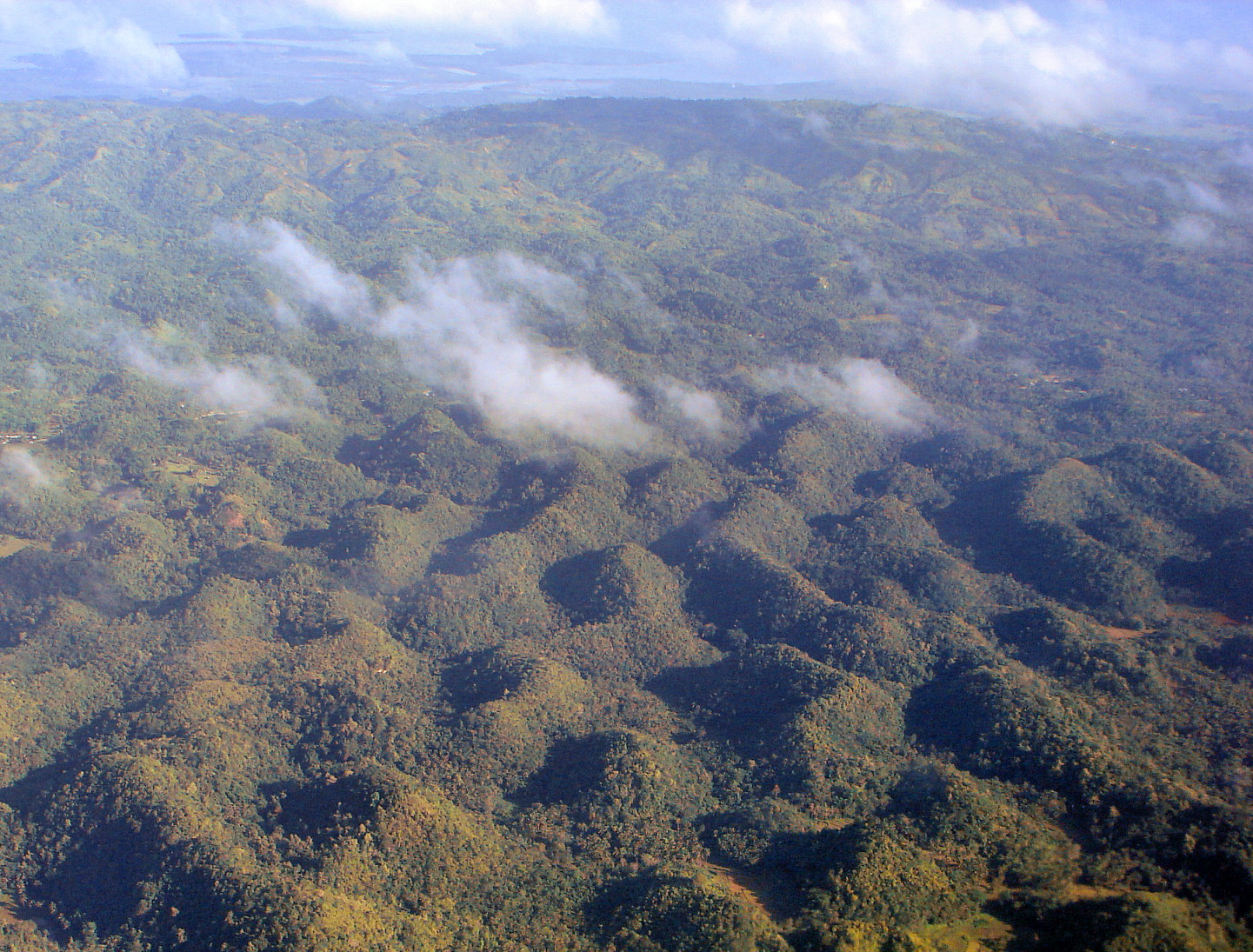
The Chocolate Hills are an extraordinary geological formation in Bohol, Philippines, comprising over 1,200 uniformly cone-shaped hills spread across an area of 50 square kilometers. These hills, typically 30 to 50 meters high, are covered in lush green grass that turns a distinctive chocolate brown during the dry season, giving them their famous name. Their origin remains a subject of scientific debate, with theories ranging from ancient volcanic activity and tectonic plate movements to submarine springs and even the tears of a heartbroken giant. Regardless of their genesis, they represent a significant natural heritage site and a major tourist draw, embodying the unique geological character of the Visayas region.
⛰️ The Geological Enigma of Bohol
The Chocolate Hills, a geological marvel in Bohol province, present a landscape unlike any other in the Philippines. Comprising over 1,268 perfectly cone-shaped hills, these formations dot the towns of Carmen, Batuan, and Sagbayan. Their uniform size and shape, rising from a flat plain, have long baffled geologists and captivated imaginations. The sheer scale and regularity of these natural mounds, some reaching heights of 30 to 50 meters, make them a standout feature in the Philippine geography. The area is a designated protected landscape, underscoring its unique ecological and aesthetic value.
🍫 More Than Just Chocolate: The Vibe of the Hills
While the name 'Chocolate Hills' evokes images of sweet treats, the true vibe of these formations is one of enduring mystery and natural artistry. During the dry season, the normally verdant grass covering the hills turns a distinct brown, resembling chocolate kisses scattered across the land. This seasonal transformation is a key part of their allure, drawing visitors eager to witness this unique spectacle. The hills possess a serene yet powerful presence, a testament to the slow, deliberate forces of nature that shaped them over millennia. This visual signature has become synonymous with the Bohol experience, a must-see for anyone exploring the Filipino lifestyle.
📜 Legends and Lore: The Human Element
The origins of the Chocolate Hills are steeped in folklore, with local legends offering a more romantic explanation than scientific theories. One popular tale speaks of two giants who, locked in a fierce battle, hurled rocks and sand at each other for days. Exhausted, they eventually made peace and departed, leaving behind the debris of their conflict – the hills. Another story tells of a heartbroken giant who wept tears of love, which solidified into the hills. These narratives, passed down through generations, imbue the landscape with a rich cultural resonance, connecting the present-day visitor to the ancient stories of the islands and the Filipino culture.
🔬 Scientific Scrutiny: Theories on Formation
Scientifically, the formation of the Chocolate Hills remains a subject of ongoing research and debate. The most widely accepted theory posits that they are ancient marine limestone formations, eroded over millions of years by rainwater and weathering. Another prominent hypothesis suggests they are the result of differential erosion of an underlying layer of volcanic tuff. Some geologists also propose the role of subterranean processes, such as the dissolution of soluble rock, in shaping these distinctive conical mounds. The precise interplay of these geological factors continues to be a fascinating puzzle for Philippine history and earth science enthusiasts.
💡 Vibe Score: Measuring the Hills' Cultural Energy
The Chocolate Hills boast a Vibe Score of 85/100, reflecting their immense cultural significance and widespread appeal. This high score is driven by their status as a national treasure, a UNESCO World Heritage Tentative List site, and a major tourist draw for Travel Philippines. The hills consistently generate positive visitor sentiment, amplified by their unique visual identity and the romantic legends surrounding them. However, this popularity also brings challenges, particularly concerning sustainable tourism and the preservation of the delicate ecosystem that supports these formations. The 'vibe' is undeniably strong, but its long-term sustainability is a point of consideration.
🌍 Conservation Crossroads: Protecting a Natural Wonder
Protecting the Chocolate Hills is a critical concern, balancing their status as a natural wonder with the demands of tourism. The designation as a protected landscape aims to safeguard the geological formations and their biodiversity. Challenges include managing visitor impact, preventing unregulated development in surrounding areas, and mitigating the effects of climate change on the grass cover that defines their seasonal appearance. Efforts are underway to promote responsible tourism practices and educate both locals and visitors about the importance of conservation, ensuring that this unique Philippine geography feature endures for future generations.
✈️ Experiencing the Hills: A Traveler's Perspective
For travelers, visiting the Chocolate Hills is an immersive experience. The most popular vantage point is the Sagbayan Peak, offering panoramic views, and the Chocolate Hills Complex in Carmen, which features a viewing deck. Hiking and trekking opportunities allow for a more intimate encounter with the landscape. The best time to visit is during the dry season (typically March to May) to witness the hills' signature chocolatey hue. Beyond the visual spectacle, visitors often describe a sense of awe and tranquility, a feeling of being connected to something ancient and profound within the Bohol landscape.
🤔 The Future of the Chocolate Hills: What's Next?
The future of the Chocolate Hills hinges on a delicate balance between preservation and accessibility. As tourism continues to grow, so does the pressure on the site. Innovations in sustainable tourism infrastructure, such as eco-friendly transportation and waste management, will be crucial. Furthermore, continued geological research may unlock more definitive answers about their formation, potentially adding new layers of appreciation. The ongoing challenge is to ensure that the 'vibe' of the Chocolate Hills remains vibrant and authentic, rather than being diminished by over-commercialization or environmental degradation, securing their legacy for the Filipino culture.
Key Facts
- Year
- Formation: Pre-Pleistocene (estimated 2 million years ago)
- Origin
- Bohol, Philippines
- Category
- Philippine Geography
- Type
- Natural Landmark
Frequently Asked Questions
What are the Chocolate Hills made of?
The most widely accepted scientific theory suggests the Chocolate Hills are ancient marine limestone formations. Over millions of years, rainwater and weathering have eroded these formations into their distinctive cone shapes. Other theories involve volcanic tuff and subterranean geological processes, but the limestone erosion hypothesis is the most prominent.
Why are they called 'Chocolate Hills'?
The name 'Chocolate Hills' comes from their appearance during the dry season. The normally green grass covering the hills turns a deep brown, resembling chocolate kisses scattered across the landscape. This seasonal transformation is a key part of their visual appeal and identity.
How many Chocolate Hills are there?
It is widely reported that there are at least 1,268 individual hills. However, the exact number can vary slightly depending on the definition and survey methods used. They are primarily concentrated in the towns of Carmen, Batuan, and Sagbayan in Bohol province.
Are the Chocolate Hills a natural wonder?
Yes, the Chocolate Hills are considered a significant natural wonder of the Philippines. They are recognized for their unique geological formation and aesthetic beauty. The site is also a UNESCO World Heritage Tentative List site, highlighting its global importance.
What is the best time to visit the Chocolate Hills?
The best time to visit the Chocolate Hills to see their characteristic 'chocolate' color is during the dry season, which typically runs from March to May. During this period, the grass covering the hills turns brown. The wet season (June to February) sees the hills covered in lush green vegetation.
What legends are associated with the Chocolate Hills?
Several local legends explain the formation of the Chocolate Hills. One popular tale involves two giants who fought a rock-throwing battle, leaving behind the hills as remnants of their conflict. Another legend speaks of a heartbroken giant whose tears of love solidified into the hills.