
Contents
Overview
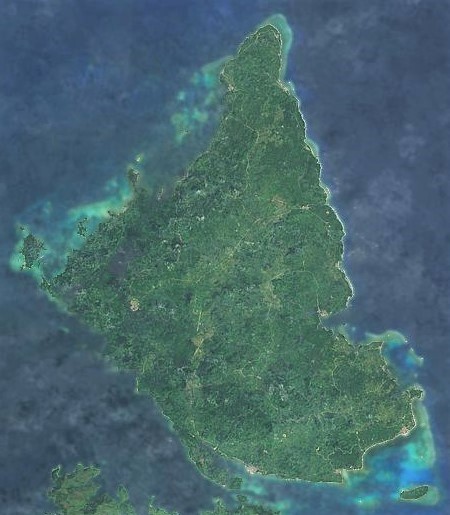
The story of Siargao as a premier surfing destination began to unfold in the late 1980s and early 1990s, with pioneering surfers and travelers discovering its potent swells. While local communities had always lived by the rhythm of the ocean, the island's potential for world-class surfing was largely untapped. Early visitors, often backpackers and surf enthusiasts, spread word of the consistent waves, particularly on the east coast. The discovery of the now-legendary Cloud 9 break in the mid-1990s by American photographer John B. Carroll and his team marked a pivotal moment, putting Siargao firmly on the international surf map. This led to increased tourism and the development of surf camps and resorts, transforming the island's economy and identity. The 2017 film Siargao further amplified its allure, showcasing the island's stunning landscapes and surf culture to a wider audience, solidifying its status as a must-visit for wave riders.
⚙️ How It Works
Siargao's magic lies in its geographical positioning and the resulting wave dynamics. The island's east coast faces the Pacific Ocean, directly receiving the powerful swells generated by distant typhoons and low-pressure systems. The reef-bottomed breaks, most famously Cloud 9, create hollow, barreling waves that are a dream for experienced surfers. However, Siargao is not just for the pros; breaks like Guiuan (though not on Siargao itself, it shares similar Pacific-facing characteristics), and areas around General Luna offer gentler waves suitable for beginners and intermediate surfers. The island's consistent wind patterns and the surrounding coral reefs contribute to the unique quality of the waves. Surf schools and local guides, often seasoned surfers themselves, play a crucial role in helping visitors navigate the breaks safely and find the best conditions, ensuring a fulfilling experience for everyone from novices to veterans.
📊 Key Facts & Numbers
Siargao boasts an impressive surf season, typically running from March to November, with peak swells often occurring between September and November. The island is home to over 15 distinct surf breaks, with Cloud 9 being the most iconic, renowned for its powerful, hollow, right-hand barrel. An estimated 100,000 tourists visit Siargao annually, with a significant portion drawn by its surfing appeal. The average cost for a surf lesson can range from ₱1,000 to ₱2,500 (approximately $18-$45 USD), depending on the duration and instructor. General Luna, the island's main hub, hosts numerous surf shops and accommodations, with over 50% of its economy directly or indirectly linked to tourism and surfing. The island's surfing competitions, such as the Siargao National Surfing Cup, attract hundreds of participants and spectators each year, contributing to the local economy and fostering a competitive spirit.
👥 Key People & Organizations
The surfing scene in Siargao is shaped by a blend of local talent and international influence. Key figures include local surfers who have risen through the ranks, such as John Mark Tokong, a multiple-time champion of the Siargao National Surfing Cup and a prominent figure in the local surf community. International surf brands like Quiksilver and Billabong have also established a presence, sponsoring local events and athletes. The Philippine Surfing Federation plays a vital role in organizing national competitions and promoting the sport. Local surf schools and resorts, like Kermit Surf Resort and Siargao Island Villas, are instrumental in providing training, accommodation, and fostering a welcoming environment for surfers. The local government, particularly the municipal offices in General Luna, also supports surf-related tourism initiatives and infrastructure development.
🌍 Cultural Impact & Influence
Siargao's surfing culture has profoundly influenced the island's identity and economy, transforming it from a relatively unknown locale into a global surf mecca. The influx of surfers and tourists has spurred the growth of businesses ranging from local eateries and souvenir shops to boutique hotels and dive centers. This has created significant employment opportunities for the local population, though it also brings challenges related to sustainability and cultural preservation. The surf lifestyle, characterized by a laid-back attitude, connection to nature, and a strong sense of community, has become synonymous with Siargao. The island's image has been further enhanced by its consistent ranking in travel awards, such as being named the Best Island in Asia by Condé Nast Traveler in 2021, largely attributed to its world-class waves and vibrant surf scene. This cultural resonance extends to the Filipino lifestyle itself, showcasing a unique blend of tradition and modern adventure.
⚡ Current State & Latest Developments
As of 2024, Siargao continues to thrive as a premier surfing destination, with ongoing efforts to balance tourism growth with environmental sustainability. The island has seen a resurgence in visitor numbers post-pandemic, with surf schools reporting full bookings during peak seasons. Infrastructure development, including improvements to local roads and airport facilities, aims to enhance accessibility. There's a growing emphasis on eco-tourism, with many resorts and businesses adopting sustainable practices, such as reducing plastic use and supporting local conservation efforts. The Siargao Island Conservation initiatives are gaining traction, reflecting a collective desire to protect the island's natural beauty. The local surf community remains vibrant, with regular competitions and events continuing to draw both local and international participants, ensuring Siargao's status as a dynamic surf hub.
🤔 Controversies & Debates
One of the primary debates surrounding Siargao surfing revolves around the impact of rapid tourism development on the island's environment and local culture. Critics point to issues like waste management, coral reef degradation, and the potential displacement of local communities due to rising property values and commercialization. The sheer volume of visitors, especially during peak season, can strain local resources and infrastructure. Another point of contention is the increasing commercialization of breaks like Cloud 9, with debates over access fees and the development of commercial facilities impacting the natural surf experience. Balancing the economic benefits of surfing tourism with the imperative to preserve Siargao's pristine environment and authentic Filipino culture remains an ongoing challenge for local authorities and the community.
🔮 Future Outlook & Predictions
The future of Siargao surfing appears poised for continued growth, albeit with a stronger focus on sustainable tourism and community-based development. Predictions suggest an increase in 'slow tourism' and eco-conscious travel, with visitors seeking more authentic and responsible experiences. Innovations in sustainable resort management and conservation technologies are likely to become more prevalent. The island may see further diversification of its tourism offerings, integrating surfing with other activities like island hopping, yoga retreats, and cultural immersion. There's also potential for Siargao to become a hub for surf-related research and education, focusing on marine conservation and sustainable tourism practices. The challenge will be to manage this growth without compromising the very essence that makes Siargao a beloved surfing paradise.
💡 Practical Applications
Siargao surfing serves as a powerful engine for local economic development, creating numerous practical applications beyond the sport itself. The demand for surf instructors has led to the establishment of accredited training programs, providing employment and skill development for locals. The need for surfboards and related equipment has fostered a local industry for board shaping, repair, and rental services. Furthermore, the island's popularity has spurred the growth of related businesses, including restaurants serving international and local fare, guesthouses, transportation services, and tour operators offering island tours. The consistent influx of surfers also supports the local economy through the purchase of goods and services, cont
Key Facts
- Category
- travel
- Type
- topic