
Contents
Overview
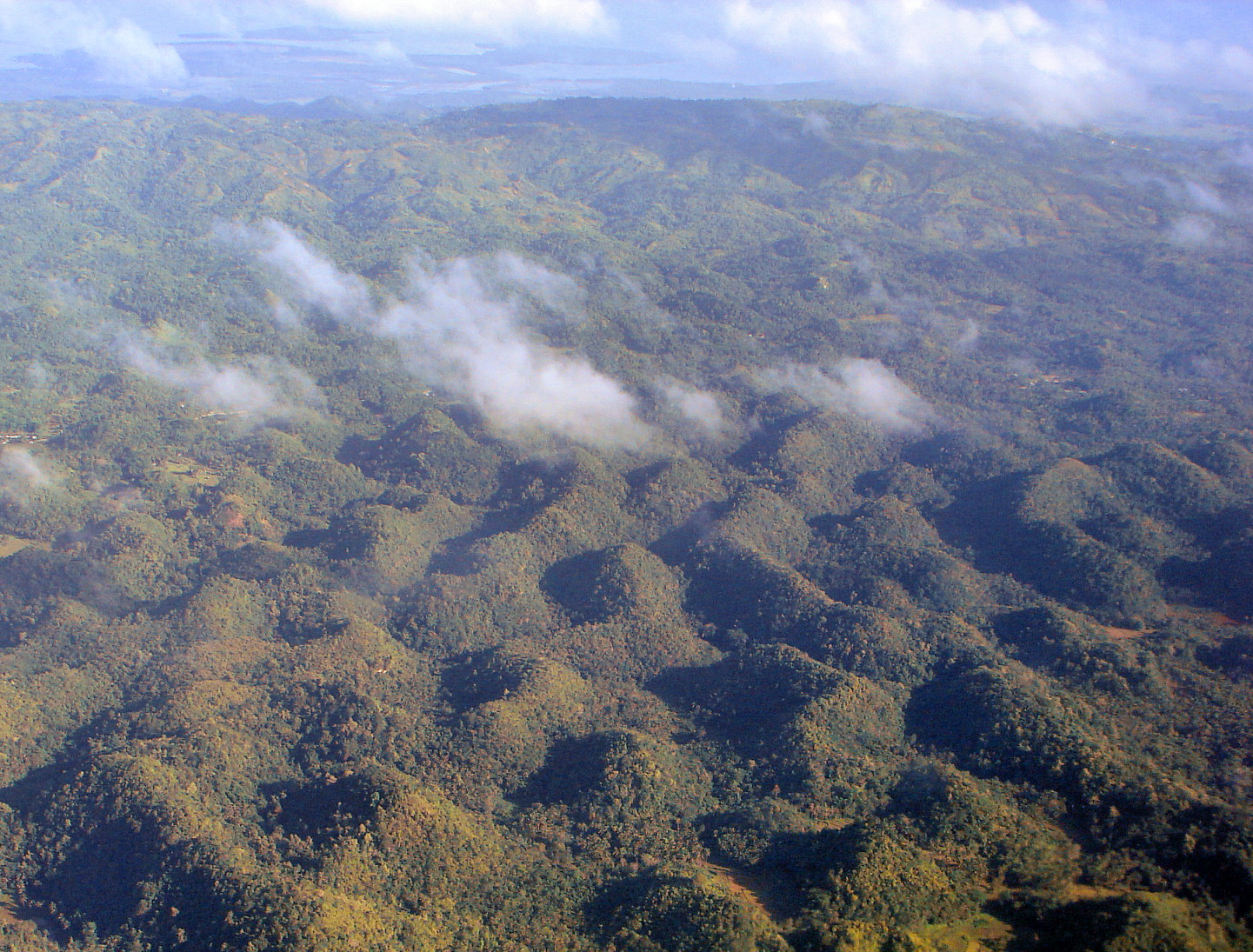
The Chocolate Hills are an extraordinary geological formation located in the province of Bohol in the Philippines. This unique landscape is characterized by over 1,200 perfectly cone-shaped or dome-shaped hills, spread across an area of more than 50 square kilometers. During the dry season, the grass covering these hills turns a distinctive chocolate brown, giving them their iconic name. These hills are composed primarily of limestone and are believed to be the result of ancient geological processes, possibly volcanic activity and erosion over millions of years. They have become a major tourist attraction, drawing visitors from around the globe who come to marvel at their unusual beauty and the panoramic views they offer. The Chocolate Hills are not only a significant natural landmark but also a symbol of Bohol's rich natural heritage and a testament to the Earth's fascinating geological history.
Geological Formation ⛰️
The Chocolate Hills are a testament to the Earth's dynamic geological past. Their formation is primarily attributed to the weathering and erosion of a specific type of rock, believed to be volcanic tuff and sedimentary rocks. Over millions of years, these processes sculpted the landscape into the distinctive, uniformly shaped hills we see today. The consistent shape suggests a uniform underlying geological structure and consistent erosional forces acting upon it. The sheer number and regularity of these formations make them a truly unique geological phenomenon, unlike any other found on Earth. Scientists continue to study the precise mechanisms that led to such a uniform and widespread distribution of these conical mounds.
The Legend and Folklore 📜
Local folklore offers a more romantic explanation for the Chocolate Hills' existence. One popular legend tells of two giants who, engaged in a prolonged battle, hurled rocks and sand at each other. Exhausted, they eventually made peace and left the island, but the debris from their fight formed the hills. Another tale speaks of a heartbroken giant who wept tears of love, which solidified into the hills. These stories, passed down through generations, add a layer of mystique and cultural richness to the natural wonder, reflecting the human tendency to explain the extraordinary through narrative.
Flora and Fauna 🌿
Despite their seemingly barren appearance, the Chocolate Hills are home to a surprising array of flora and fauna. The hills are predominantly covered in a type of coarse grass, which turns brown during the dry season, hence the name 'Chocolate Hills.' However, beneath this grassy carpet, various plant species thrive, adapted to the unique soil conditions. Small mammals, reptiles, and a variety of bird species also inhabit the area, contributing to the local ecosystem. The surrounding lowlands and forests support a more diverse range of wildlife, creating a complex ecological balance.
Tourist Experience 🚶♀️
Visiting the Chocolate Hills offers an unforgettable experience for nature lovers and sightseers. The most popular viewing deck is located at the Chocolate Hills Complex in Carmen, Bohol, providing panoramic vistas of the rolling landscape. Visitors can climb numerous steps to reach the observation point, where the breathtaking scenery unfolds. Many tourists also engage in activities like ATV rides, trekking, and exploring the surrounding caves and springs. The sheer scale and uniformity of the hills create a surreal and awe-inspiring atmosphere, making it a photographer's paradise.
Conservation Efforts 🌳
The preservation of the Chocolate Hills is a critical concern for the local government and environmental agencies. Recognizing their ecological and tourism value, efforts are underway to protect this natural heritage. This includes managing visitor impact, preventing illegal quarrying, and promoting sustainable tourism practices. Educational programs are also implemented to raise awareness about the importance of conserving this unique geological formation for future generations. The designation of the Chocolate Hills as a National Geological Monument underscores its protected status.
Cultural Significance 🇵🇭
The Chocolate Hills hold significant cultural importance for the people of Bohol. They are a source of pride and a symbol of the province's identity, often featured in local art, festivals, and tourism campaigns. The legends associated with the hills are deeply ingrained in the local culture, shaping the way people perceive and interact with their environment. The hills also play a role in local livelihoods, primarily through tourism, which provides economic opportunities for the communities surrounding this natural wonder.
Scientific Theories 🔬
The scientific community has proposed several theories regarding the formation of the Chocolate Hills. The most widely accepted theory suggests that they are ancient marine limestone formations, eroded over millennia by rainwater and other natural elements. Another theory posits that they are the result of volcanic activity, with the hills being remnants of eroded volcanic cones. More recent research also explores the possibility of a combination of factors, including differential erosion of sedimentary rock layers and the influence of underground springs. The exact process remains a subject of ongoing scientific investigation.
Visiting the Hills 🗺️
Planning a visit to the Chocolate Hills requires some consideration of the best time to go. The dry season, typically from March to May, is when the hills turn their characteristic chocolate brown, offering the most iconic views. However, the wet season, from June to February, presents a lush green landscape, which also has its own unique beauty. Visitors can reach the hills by car or public transportation from Tagbilaran City, the capital of Bohol. Comfortable footwear is recommended for climbing the viewing decks and exploring the surrounding areas. It's advisable to check local weather conditions before your trip.
Key Facts
- Origin
- Bohol, Philippines
- Category
- culture
- Type
- topic
Frequently Asked Questions
What are the Chocolate Hills made of?
The Chocolate Hills are primarily composed of limestone. Scientists believe they are the result of millions of years of weathering and erosion acting upon ancient marine limestone formations. The uniform shape suggests a consistent geological structure and erosional forces.
When is the best time to visit the Chocolate Hills?
The best time to visit for the iconic 'chocolate' color is during the dry season, typically from March to May, when the grass turns brown. However, the lush green landscape of the wet season (June to February) also offers a beautiful spectacle.
How were the Chocolate Hills formed?
The most accepted theory is that they are eroded limestone formations. Other theories suggest volcanic origins or a combination of factors like differential erosion and underground springs. The exact process is still a subject of scientific study.
Are there any activities to do at the Chocolate Hills?
Yes, visitors can enjoy panoramic views from the viewing decks, go on ATV rides, trek around the hills, and explore nearby caves and springs. The Chocolate Hills Complex offers various amenities for tourists.
Are the Chocolate Hills protected?
Yes, the Chocolate Hills are a protected area and have been declared a National Geological Monument. Efforts are in place to conserve their natural beauty and manage tourism sustainably.