
Contents
Overview
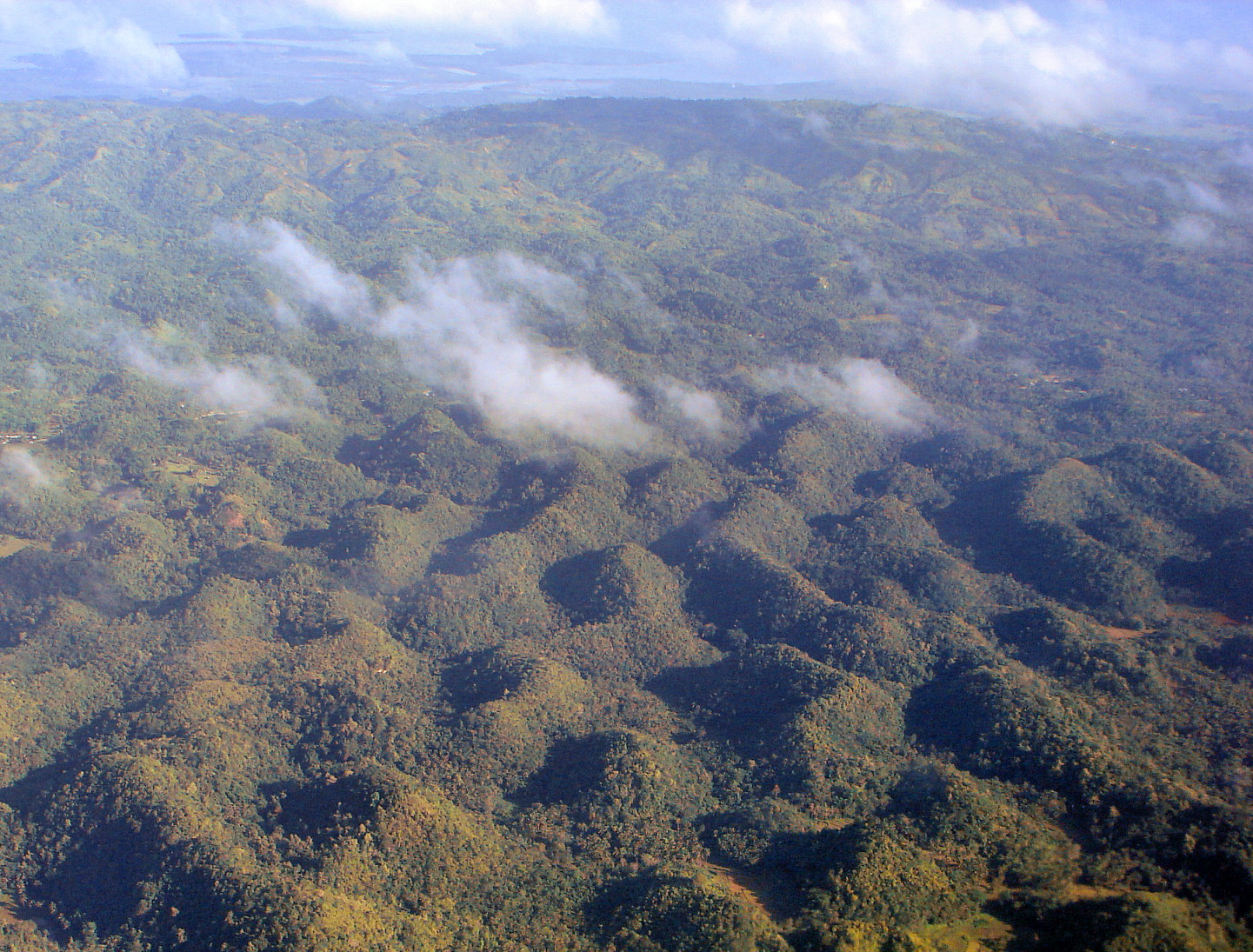
The Chocolate Hills are an extraordinary geological formation located in the province of Bohol in the Philippines. This iconic tourist destination comprises over 1,200 perfectly cone-shaped or dome-shaped hills spread across an area of more than 50 square kilometers. What makes these hills so unique is their uniform size and shape, resembling giant chocolate kisses, especially during the dry season when their verdant green grass turns a distinct chocolate brown. These hills are a testament to the Earth's geological processes, attracting scientists and tourists alike with their enigmatic beauty and the legends that surround their formation. The area has been declared a National Geological Monument and a potential UNESCO World Heritage Site, underscoring its global significance. Visiting the Chocolate Hills offers a breathtaking panoramic view and a chance to connect with the natural wonders of the Philippines, making it an unforgettable experience for any traveler.
⛰️ Geological Formation
The Chocolate Hills are primarily composed of limestone and volcanic ash, sculpted over millions of years by weathering and erosion. Geologists believe these hills are ancient marine limestone formations that were uplifted and then subjected to intense weathering. The consistent conical shape is thought to be a result of differential erosion, where softer rock layers erode faster than harder ones, leaving behind these distinct mounds. The underlying bedrock is a complex mix, contributing to the varied soil composition across the hills. This unique geological history has resulted in a landscape unlike any other in the world. The sheer scale and uniformity of these formations are a subject of ongoing scientific study and fascination.
🍫 The 'Chocolate' Phenomenon
The most striking characteristic of the Chocolate Hills is their color transformation. During the wet season, the hills are covered in lush green grass, creating a vibrant, rolling landscape. However, as the dry season approaches, typically from March to May, this grass dries out and turns into a rich, chocolatey brown hue. This seasonal change is what gives the hills their famous name and makes them a truly mesmerizing sight. The contrast between the green and brown landscapes offers two distinct visual experiences for visitors throughout the year. The intensity of the brown color can vary depending on the dryness of the season.
📜 Legends and Folklore
Numerous legends and folktales attempt to explain the origin of the Chocolate Hills, adding a layer of mystique to the natural wonder. One popular legend tells of two giants who, in a fit of anger, hurled rocks and sand at each other, resulting in the formation of the hills. Another story speaks of a heartbroken giant who shed tears of sorrow, which then solidified into the hills. These myths reflect the local culture's deep connection to the land and its desire to understand the extraordinary. While scientifically explained, these stories continue to be cherished and shared, enriching the visitor experience.
🌳 Biodiversity and Ecosystem
Despite their seemingly barren appearance during the dry season, the Chocolate Hills are home to a diverse range of flora and fauna. The dominant vegetation is a type of grass, but various trees and shrubs also dot the landscape, particularly in the valleys and on the slopes. Small mammals, reptiles, and a variety of bird species inhabit the area, contributing to the local ecosystem. Efforts are underway to study and protect the biodiversity within and around the Chocolate Hills to ensure its long-term survival. The unique microclimates created by the hills can support specialized plant life.
🔭 Viewing Decks and Activities
The most popular viewing point for the Chocolate Hills is the Chocolate Hills Complex in Carmen, which features an observation deck offering panoramic views of the surrounding landscape. Visitors can climb hundreds of steps to reach the top for an unparalleled vista. Other activities include ATV rides through the hills, zip-lining for an adrenaline rush, and exploring the smaller, less-visited hills. The nearby Sagbayan Peak also provides a different perspective and additional recreational facilities. These activities allow visitors to engage with the natural beauty in various dynamic ways.
✈️ Getting There and Around
Bohol is accessible by air through the Tagbilaran Airport, with regular flights from Manila and other major Philippine cities. From Tagbilaran City, the capital of Bohol, one can hire a taxi, rent a motorbike, or join a guided tour to reach the Chocolate Hills, which are approximately a 1.5 to 2-hour drive away. Public transportation options are also available, though they may be less direct and more time-consuming. Renting a car or van with a driver is a convenient option for groups. The journey itself offers glimpses of Bohol's scenic countryside.
🏨 Accommodation and Amenities
Various accommodation options are available in and around the Chocolate Hills, ranging from budget-friendly guesthouses to mid-range hotels and resorts. Many establishments offer stunning views of the hills and provide convenient access to tourist attractions. Restaurants and eateries are also scattered throughout the area, serving local Boholano cuisine and international dishes. It is advisable to book accommodations in advance, especially during peak tourist seasons, to secure preferred lodging. The proximity to the hills often dictates the price and availability of lodging.
💡 Conservation Efforts
Recognizing the ecological and cultural significance of the Chocolate Hills, conservation efforts are crucial. The area has been declared a National Geological Monument, and there are ongoing initiatives to protect it from environmental degradation and over-tourism. Sustainable tourism practices are encouraged to minimize the impact on the natural landscape. Local authorities and environmental groups work together to preserve the hills for future generations. Educating visitors about responsible tourism is a key component of these efforts. Protecting the delicate ecosystem is paramount for its longevity.
Key Facts
- Year
- 2006
- Origin
- Philippines
- Category
- culture
- Type
- topic
Frequently Asked Questions
What is the best time to visit the Chocolate Hills?
The best time to visit the Chocolate Hills is during the dry season, from March to May, when the grass turns a distinct chocolate brown. However, the lush green landscape during the wet season (June to February) also offers a beautiful contrast. Consider your preference for color and potential for rain when planning your trip.
How are the Chocolate Hills formed?
Geologists believe the Chocolate Hills are ancient marine limestone formations that were uplifted and then sculpted by millions of years of weathering and erosion. The uniform conical shape is thought to be a result of differential erosion, where softer rock layers erode faster than harder ones.
Are there any activities to do at the Chocolate Hills?
Yes, visitors can climb to the observation decks for panoramic views, enjoy ATV rides, go zip-lining, and explore the surrounding areas. The Chocolate Hills Complex offers various recreational options.
Is it possible to stay overnight near the Chocolate Hills?
Yes, there are several accommodation options available in and around the Chocolate Hills, ranging from budget guesthouses to resorts. Booking in advance is recommended, especially during peak seasons.
What is the significance of the Chocolate Hills?
The Chocolate Hills are a significant geological landmark and a major tourist attraction in the Philippines. They have been declared a National Geological Monument and are a potential UNESCO World Heritage Site due to their unique formation and natural beauty.